
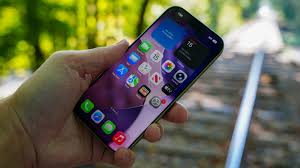
Almost any student at Bellows Free Academy, or any other school in Vermont, would tell you that the phone ban is THE hot button issue. If the average student could change anything about school, they would be watching Instagram Reels in fifth period. However, I am here to argue that the phone ban was a great idea and has been beneficial to students.
First, as a student, I have noticed that my peers stay more engaged and on task without the possible distraction of a phone. Students do more work for longer, and when finished, they socialize with others or move onto another task, instead of burying their heads in a screen. While no one wanted to admit it, it was sad to see everyone around you staring blankly at their phone
And studies support this conclusion too. A 2024 study done by the Yondr Company, which makes phone pouches for school, found multiple statistics supporting the banning of phones in both middle and high school. Student academic success rates increased by 6.27% after implementing restrictions using the pouches, as well as student academic success rates increased by 6.27% after implementing restrictions using the pouches.
One common argument from students is that they enjoy using their phones, and will be less happy without access to their social medias during school. However, science teacher Michelle Stinnett says “In general the student culture has improved a lot. In August (when the ban began), there was a lot of staring at the ground, but now students feel like they belong. It’s a happier place now.”
Some families argue that they will no longer be able to easily contact students at school. However, students are accessible through student emails, and through calling the school. In addition, I believe there might be too much communication between parents and students anyways. When students are at school, their focus should be on learning. Students often times reach out to parents to get called out of school when it may not be necessary, meaning that the phone ban could cut down on unnecessary class skips.
In conclusion, students are more engaged on school work, make better connections with others, and are seeing real benefits in improved grades. While there are downsides to the rule, it is clear to me that the benefits outweigh them.